4-Ingredients Easy Caramel Flan – Quesillo Venezolano
This post may contain affiliate links. Please read our Disclosure Policy.
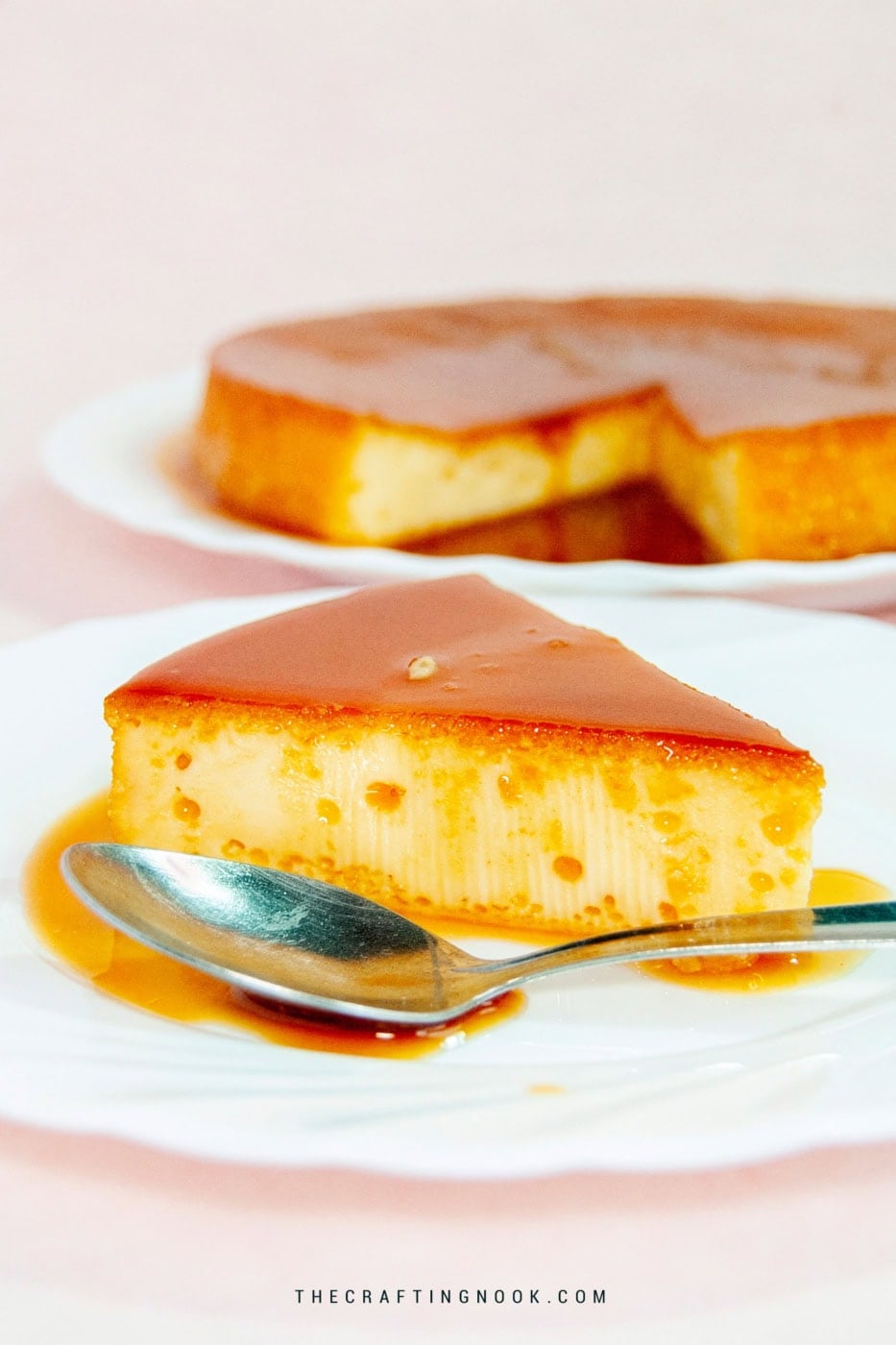
Whether you call it Caramel Flan or Quesillo, this 4-ingredient Venezuelan dessert has a firm but creamy texture with a decadent caramel flavor. Learn how to make it with this recipe.
Today I’m sharing a Quesillo recipe, this is a Venezuelan dessert also called Caramel Flan (even though it’s not exactly the same). It’s made with just 4 ingredients (5 if you count the vanilla) and it’s so crazy easy to make. Oh, and it tastes so absolutely good!

Table of Contents
Why this quesillo recipe works
- Uses whole eggs and the stovetop method to create that classic quesillo texture with tiny air holes
- Uses condensed milk and the same can to measure the milk, so there’s no guessing or extra measuring
- Can be made with a blender, whisk, or mini pimer, whatever you have on hand
- Cooked in a covered mold inside a water bath, which helps it cook gently and evenly
What makes Quesillo or Caramel Flan so Special?
In the Venezuelan holidays, there is a dessert that can not be missed in any Venezuelan birthday party: the Quesillo (AKA Caramel Flan).
For Venezuelan people, the cake can never go alone! You should always have your perfect trio: a little piece of cake, a little piece of jelly, and a little piece of quesillo; otherwise, it’s not a real Venezuelan party.
But today, let’s stop at the quesillo for a minute; That delicious traditional Venezuelan dessert that is so fascinating for adults and children, and that has a special place in the heart of all Venezuelans. You could say it’s one of the favorite Venezuelan recipes in any celebration.
I learned to make it with my mom a few years ago. It is like any Caramel Flan but it tastes a bit different and some ingredients vary. It’s awesomely easy to make, but it takes its time to cook.
I think I’ve mentioned before that I’m partly Venezuelan, even though I was born in Brazil. So, I thought about making some dishes and desserts that are traditional in Venezuela and that I used to make a lot.
How to make this Quesillo or Flan
I grew up eating quesillo, and if there’s one dessert that always shows up in Venezuelan homes, it’s this one. It looks fancy, but the truth is… It’s one of the easiest desserts you can make.
If you’ve ever been nervous about making flan, this is a great place to start. I’ll walk you through exactly how I make it, plus a few tips that make a big difference.

Ingredients:
- Sweetened condensed milk – It creates the creamy and silky texture that makes it special.
- Whole milk (I use the same can as the condensed milk)
- Eggs
- Sugar
- Vanilla extract *optional.
Equipment
- A metallic Flan Mold – although I initially used a cookie can there are great ones specially designed for this such as the one liked above.
- Wooden spoon
- Whisk
Instructions:
The Batter Mixture
- Pour the condensed milk into a bowl

- Then fill the same can with whole milk and pour it into the condensed milk

- Add the eggs and mix them (with a whisk, blender, mini pinner, etc) very well.

- Set it aside.

The Caramel
- For the caramel, in a small saucepan, place the sugar over medium-low heat.

- Leave it until it starts melting.

- Stir every now and then. It will make some crumbs at some point, but in the end, it will melt down too.

- When it is completely melted, immediately pour it into the metallic recipient.

- Spread it all over the recipient, on the sides too. Be careful because it is very hot.

- Once it’s done, pour the milk mixture over the caramel.

- Cover it with the lid.

- Cook it on a double boiler (water bath). Place it in a big pot with a little water. Make sure the water doesn’t cover more than ¼ of the height of the metallic recipient (not the pot).

- Cover the pot and bring it to a simmer over low heat for 45 minutes to 1 hour.

- You don’t need to check out the quesillo while it’s cooking but just keep an eye on the level of water. If you need to, pour in hot water. Never add in cold water as it drops the overall temperature.

- When time is up, just wait until it cools down

- Uncover it and place a plate instead of the lid and turn it over to unmold it.

- And voilà… Ready to serve!

- Serve and enjoy!

Recipe Tips
- Patience is key when making caramel. Allow the sugar to melt slowly over low heat to avoid burning. This will result in a smooth and golden caramel sauce without any bitter notes.
- To achieve a perfectly cooked flan without any cracks or overcooked edges, ensure the water level in the double boiler is carefully maintained. The water should reach about ¼ of the way up the side of the flan mold. Adding hot water if needed during cooking helps maintain a consistent temperature.
- While usually this recipe calls for covering the flan mold with a lid during cooking, you could alternatively use aluminum foil. Experiment with both methods to see which yields the best results for your setup. The most important thing is to avoid at all cost, water coming into the flan’s container.
- To unmold the flan flawlessly, run a knife around the edges of the mold to loosen it from the sides. Then, place a plate or serving dish on top of the mold and swiftly flip it over. Let gravity do the work as the flan gently slides out onto the plate.
- For the best texture and flavor, refrigerate the flan overnight before serving. This allows the flavors to meld together and the custard to set fully, resulting in a velvety smooth dessert with a rich caramel flavor.

What cooking method do you use for this Flan?
There are 2 ways we usually cook the Quesillo Flan.
You can either oven-bake it or on the stove in a water bath over medium-low heat. Both ways work perfectly but the texture of the quesillo or Spanish flan will be slightly different.
When you bake it, the overall texture of the quesillo is more solid, firm, and smother. No air bubbles form. But when you cook it on the stove on a double boiler, it gets silkier and lots of little tiny air holes or bubbles form like in the swiss cheese.
The flavor though is the same.
Note that for this particular recipe the stove double boiler should be a mold inside a pot (and not on top) and covered so the temperature stays constant. I’m showing this method in this recipe.
What mold do you use to make this recipe?
Here comes the fun part. I’ve seen this recipe made in almost any container that can handle the heat. You can definitely use a large quesillera or flan mold if you happen to have one. But you can use oven-safe glassware as long as it’s deep enough, cake mold if it’s deep enough, and as I did, you can use cookie cans.
What you need to keep in mind is that water from the double boiler cannot come into the flan mixture. So for example, you can use a deep cake pan on a water bath in the oven covering the pan very well with foil or high-temperature silicone lids. The same goes for glassware.
On the stove, it’s important to make sure the level of water will never spill inside the mixture, you can accomplish this by keeping the water level low, the temperature stable at medium heat, and covering well the pan.
But using a flan mold makes it easier since it brings a sealing system. The cookie tin can also work very well but I still have to keep an eye on the water level.
Recipe variations
Although this is the original recipe, you can be creative and make variations of this recipe:
- You can replace the whole milk with coconut milk and then add a few tablespoons of grated coconut.
- You can add cocoa to the milk to make it a delicious chocolate quesillo.
- You can replace the whole milk with Orange juice and add 1 teaspoon of orange zest.
Creativity is the limit.
Fun Facts About this Recipe
Let’s talk about some facts about the Venezuelan quesillo that you probably didn’t know:
- Its preparation is of 100% Venezuelan origin and in its purest form is composed of a blend of: beaten eggs, condensed milk, vanilla essence, and liquid milk.
- It should not be confused with normal flan since the quesillo is prepared with whole eggs and the normal flan only carries the egg yolks.
- It is called “quesillo” (it’s like cheesy) because of the porosity of the dessert, which is reminiscent of the traditional holes of a Swiss cheese.
- Tradition tells that in each house there is a unique quesillo and that none will resemble the previous one, either because there are those who put more ingredients or unique ingredients following a family recipe.
Some Frequently Asked Questions
That texture is traditional in many quesillos, especially when cooked on the stove in a double boiler. It is one of the characteristics that makes it different from a smoother baked flan.
Yes. Quesillo is commonly made both on the stove and in the oven. The texture will be a bit firmer and smoother when baked.
Good flan or quesillo is supposed to be creamy and smooth, with a soft silky texture. The sauce should be a rich golden caramel, with no hint of a burnt flavor at all.
You can use another deep heat-safe container, as long as it is well covered and protected from water getting into the mixture.
The water should stay low around the mold, about one quarter of its height. It should never be high enough to risk spilling into the quesillo.
Yes. Quesillo is a great make-ahead dessert because it holds well once cooled, and many people enjoy it cold.
More Venezuelan Desserts to try
If you enjoyed this Quesillo or Venezuelan Caramel Flan recipe, you might also love these other Venezuelan dessert recipe ideas:
Here are some of my favorite flan recipes from my favorite bloggers:
- Flan Cake by Camila over at Pies & Tacos.
- Creamy Caramel Flan by Taste of Home.
- Orange Coconut Flan by Erika over at The Crumby Kitchen.
🥣 Recipe

4-Ingredients Caramel Flan or Venezuelan Quesillo.
Ingredients
- 1 can Sweetened Condensed Milk
- 10 oz Whole Milk
- 4 large eggs
- 1 tsp Vanilla Extract
- 1/3 cup Sugar
Instructions
- In a medium bowl mix Condensed milk, whole milk, eggs, and vanilla.
- Mix well with a whisk. You could also use a blender. Set aside
- Pour your sugar into a saucepan and take it to simmer over low heat to make Caramel. It will start melting. Some crumbs will form but evenctually it will get liquid. Wait for it to be completely melted and get a beautiful amber color. Remove from heat.
- Immediately pour your caramel in your cookie can, and start spreading the caramel all over. Be careful since it’s really, really hot.
- Next, pour your milk mixture in the cookie can. Cover it with the lid.
- Cook it on bain-marie (double boiler) over medium heat for about 45 min. Use a big pot and put your cookie can inside, add in water to the big pot until it gets 1/4 of the can (not the pot). Cover the pot with its lid too.
- Past the 45 minutes, remove from heat and let it cool untill warm but not cool. You should be able to hold it with your hands and still feel it warm.
- Once it’s warm, replace the can lid with a dish or cake stand and turn it over to unmold it.
- Serve and enjoy!
Notes
Let me know your thought below in the comments!
Don’t forget to PIN and share it with friends!

What do you think, doesn’t it look delicious or what?????
Til’ next time…


FREE WORKBOOK
Keeping your Sweet Home Organized
Learn how to create intentional habits and simple routines to Keep Your Home Organized. Plus freebies, printables, exclusive content, and tips.
Disclaimer: By clicking on the “Yes” button above you are giving me your consent to collect and use your information according to the law and My Policy Privacy. Zero Spam I promise!