

How to Decorate for Each Season Without Buying New Decor
This post may contain affiliate links. Please read our Disclosure Policy.
Decorating your home for each season can start to feel expensive. Every few months the stores change colors, trends shift, and suddenly it feels like you’re supposed to buy something new just to keep up. But you really don’t.
Over the years, I’ve found simple ways to refresh my home for each season using only what I already own. No shopping trips. No overflowing storage bins. Just small, intentional changes that shift the feeling of a room.
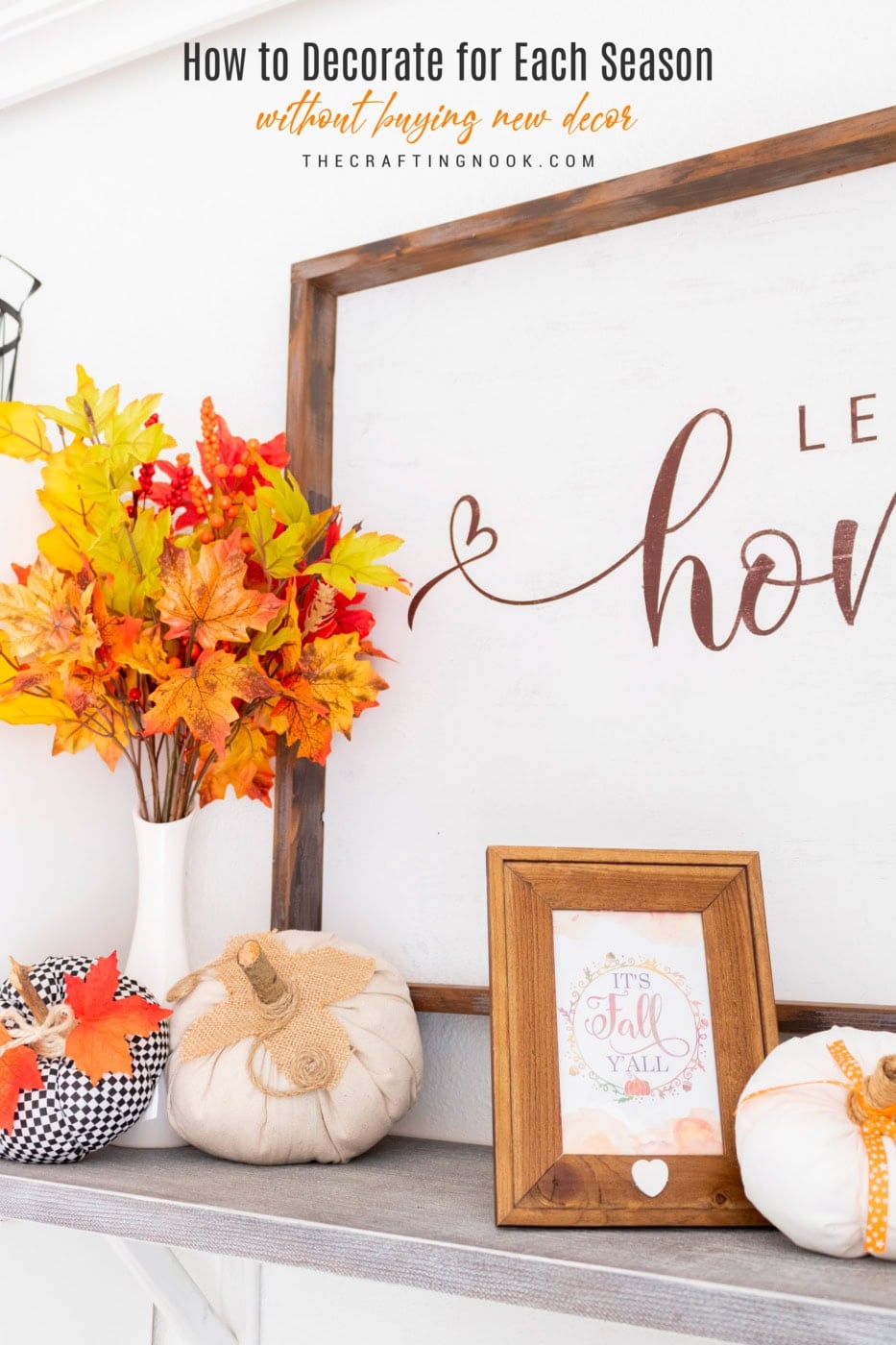
That doesn’t mean you can’t buy something pretty you see this just remove the presure of needing to buy new stuff for each seasons that are coming.
I didn’t grow up with seasons in Venezuela. The weather stayed mostly the same all year. It wasn’t until I started blogging and later moved to Spain that I truly experienced decorating for spring, fall, and winter. And once I did, I realized something important.
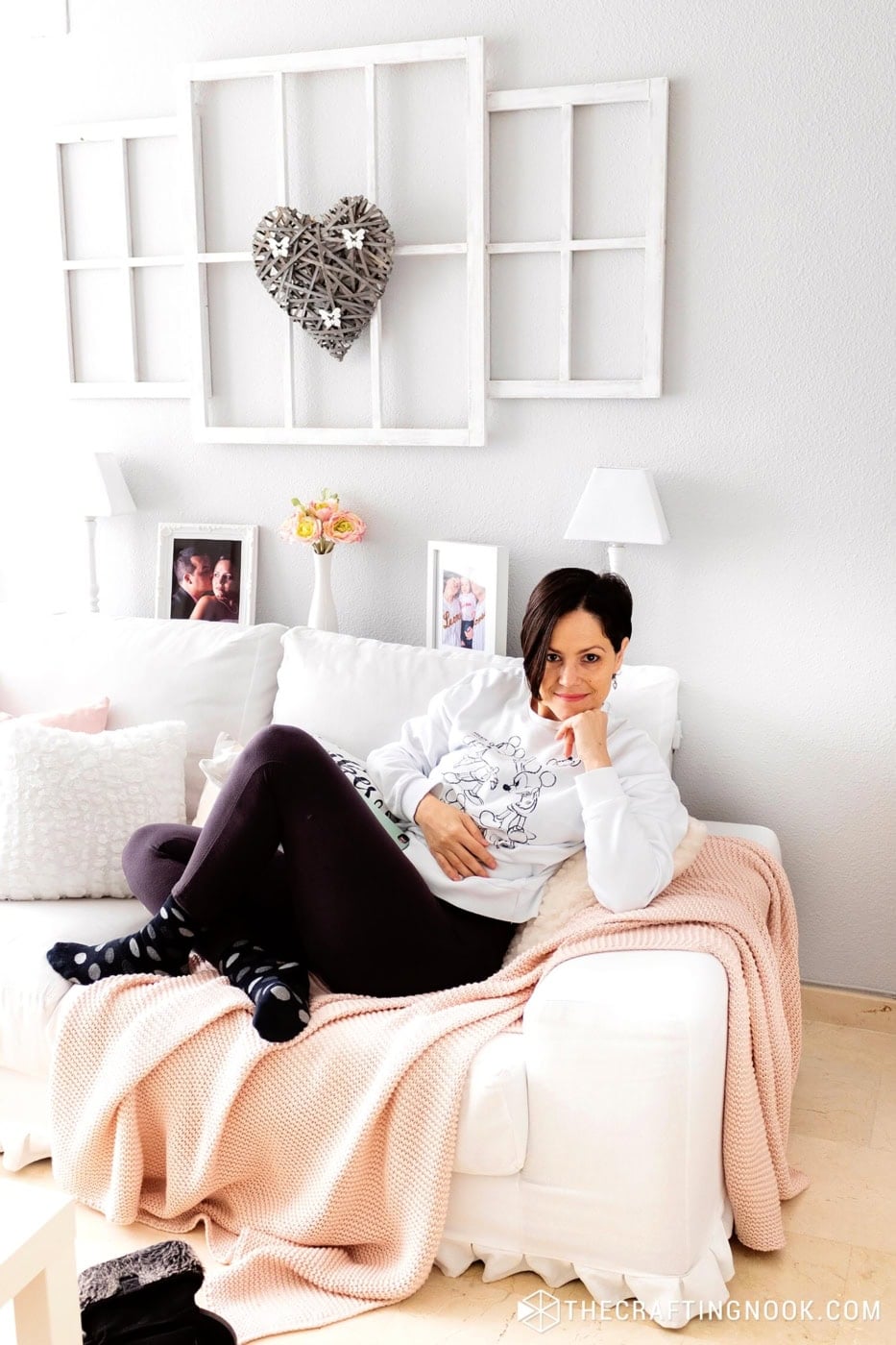
Seasonal decorating isn’t about buying more. It’s about using what you already have in a thoughtful way.
If you love a cozy home but also value simplicity and staying on budget, these ideas will help you decorate for each season without spending a cent.
Table of Contents
Easy Seasonal Home Updates Without Spending a Cent
If you want to bring a fresh seasonal feeling into your home without buying anything new, these tips will help you get started. They are simple, practical, and perfect for using what you already have on hand.
1. Shop your own home first
Before doing anything else, walk through your home with fresh eyes. Open cabinets. Check storage bins. Look at what’s already on your shelves.
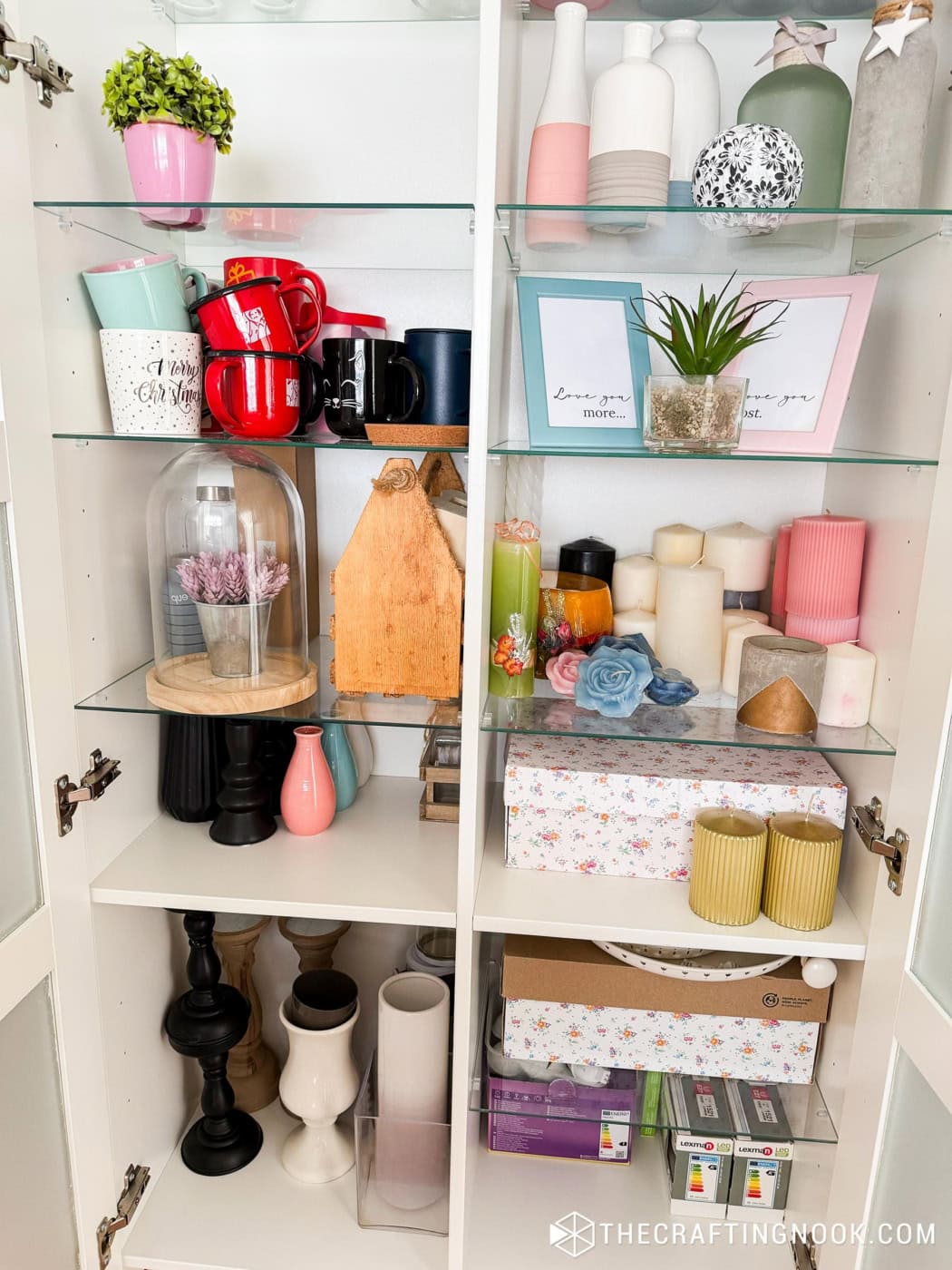
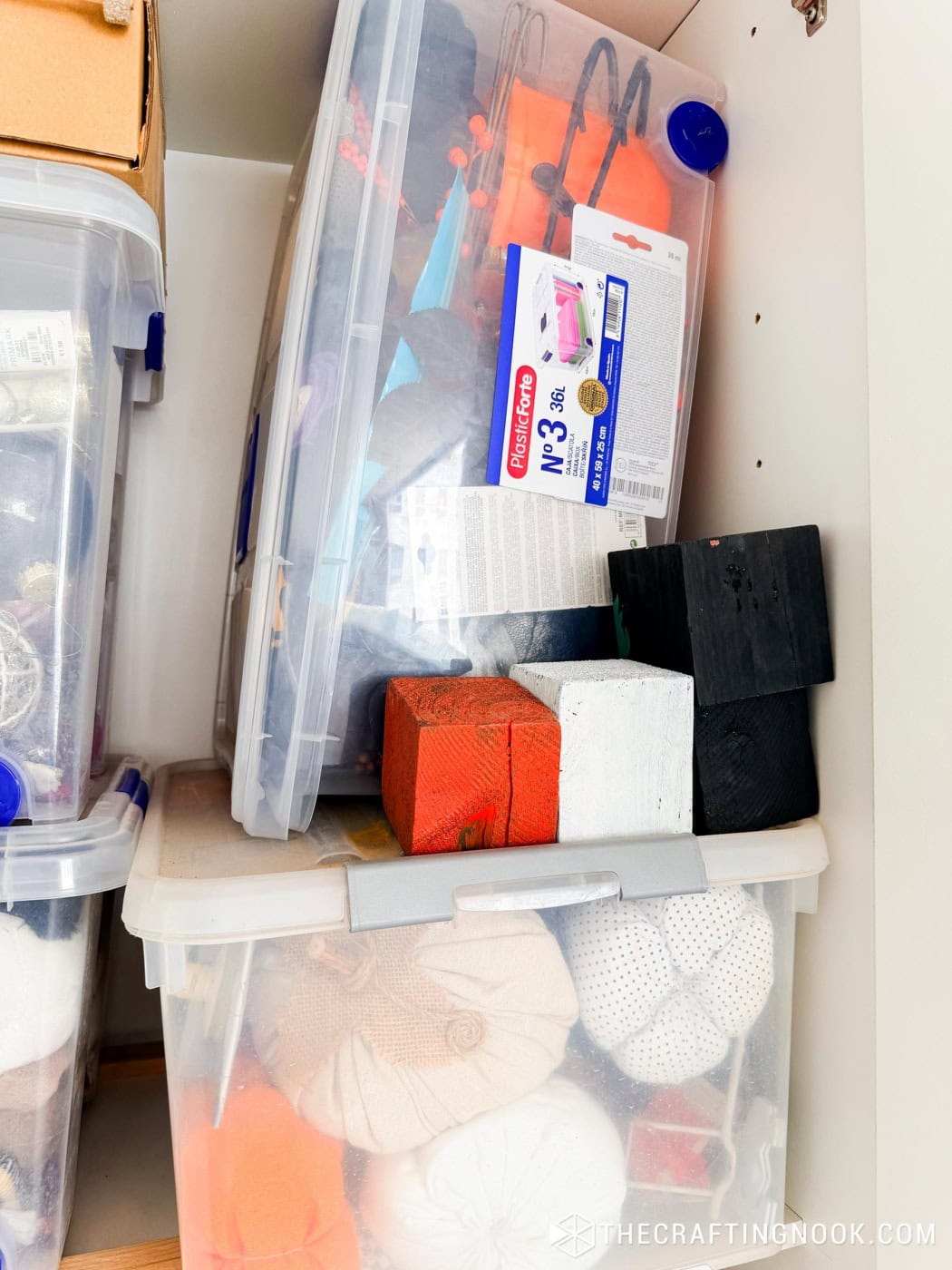
Then challenge yourself: can I create a seasonal look using only what I already own?
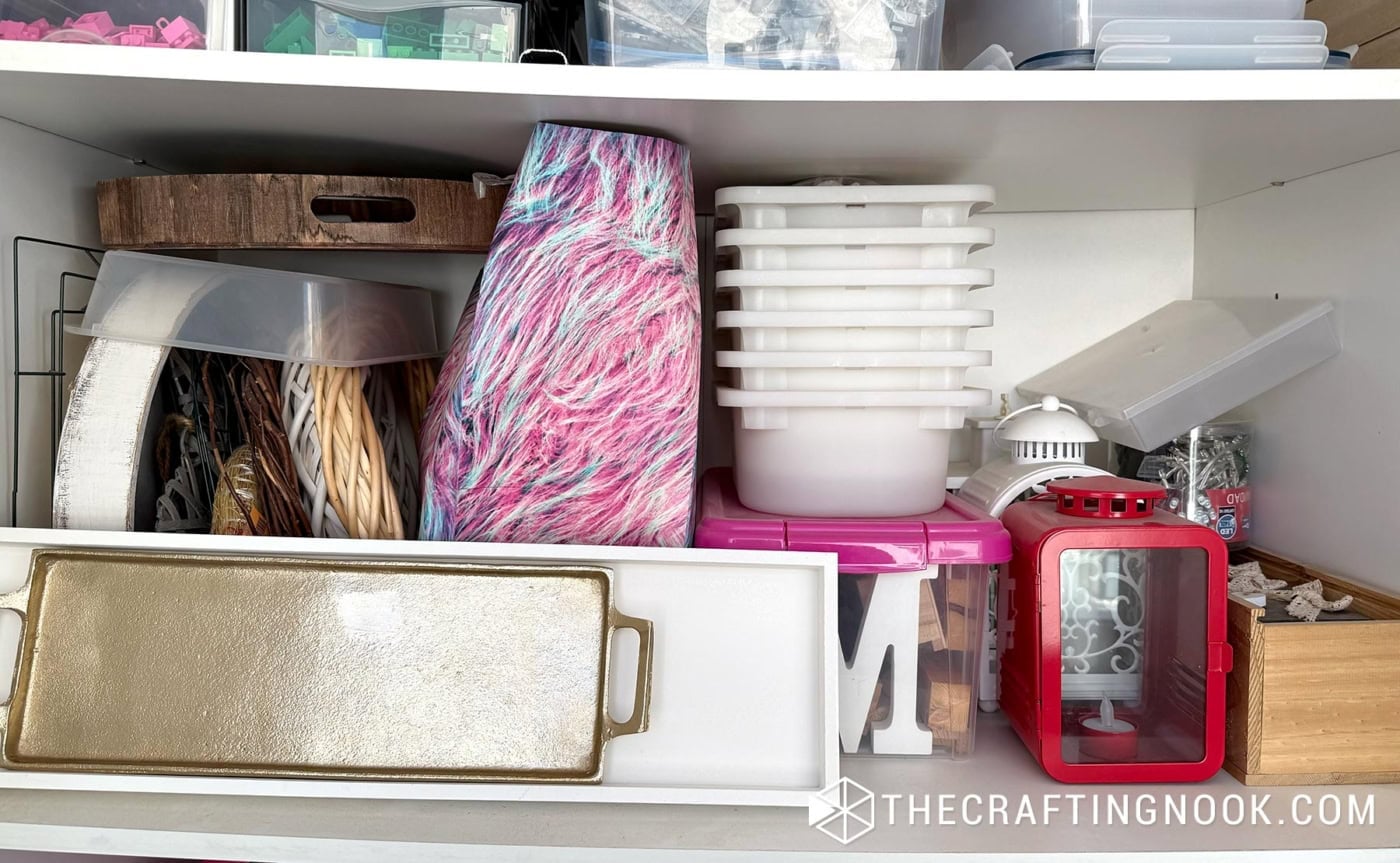
Try building a small vignette using pieces from three different rooms. Move a vase from the bedroom, a tray from the kitchen, and a candle from the living room. When you group them together, they feel new again.
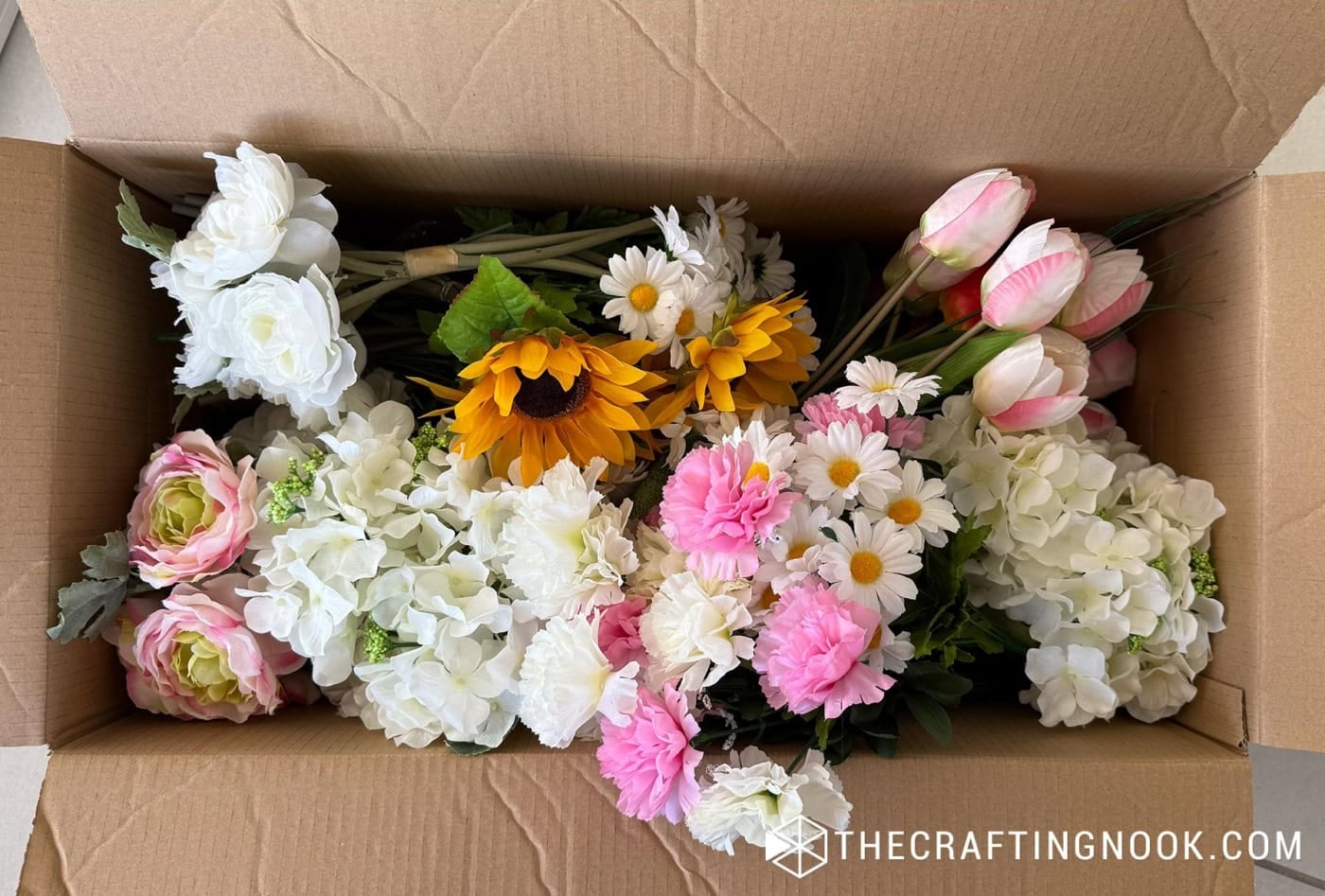
You don’t need more decor. You need a new arrangement.
An old wreath can look completely different with a ribbon you already have. A wooden sign from the entryway might look perfect styled on a living room shelf.
Small shifts make a big difference.
2. Use textiles to shift the mood
Fabrics do a lot of the work when it comes to seasonal decorating.
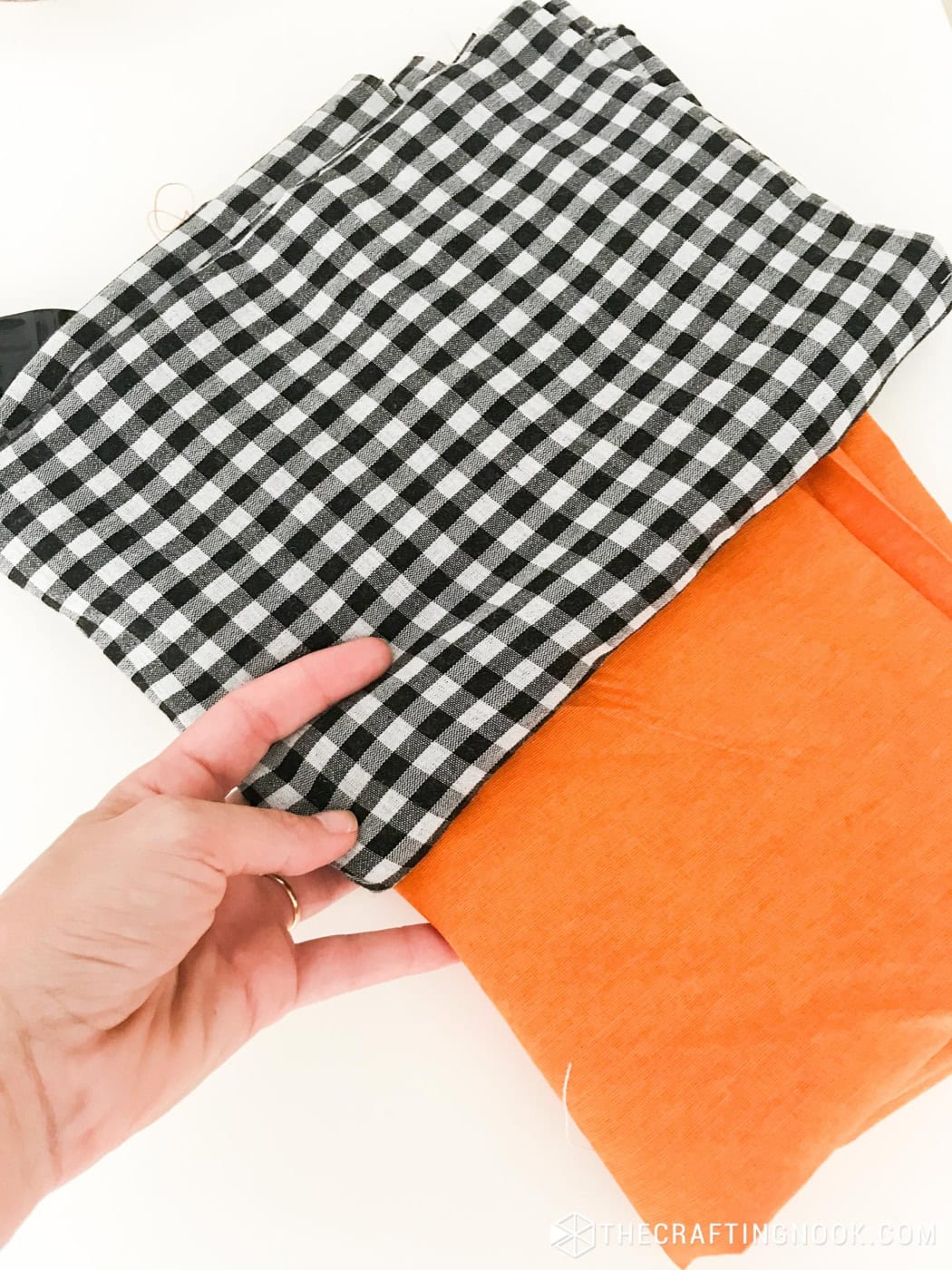
Swap pillow covers. Rotate throws. Bring out table runners or placemats that match the season. Even folding a blanket differently can change the look of a room.

Instead of pulling everything out at once, choose just one or two textiles to switch. A small change in texture or color is often enough. When you limit yourself, the room feels fresh without becoming cluttered.
3. Bring nature indoors
Nature gives you free decor every month of the year.
In spring, use branches with tiny blooms. In summer, bring in greenery. Fall is perfect for leaves and pinecones. Winter looks beautiful with evergreens or simple bare branches in a jar.

Keep it simple. Place cuttings in a vase. Fill a basket with pinecones. Tie a few stems together with twine.
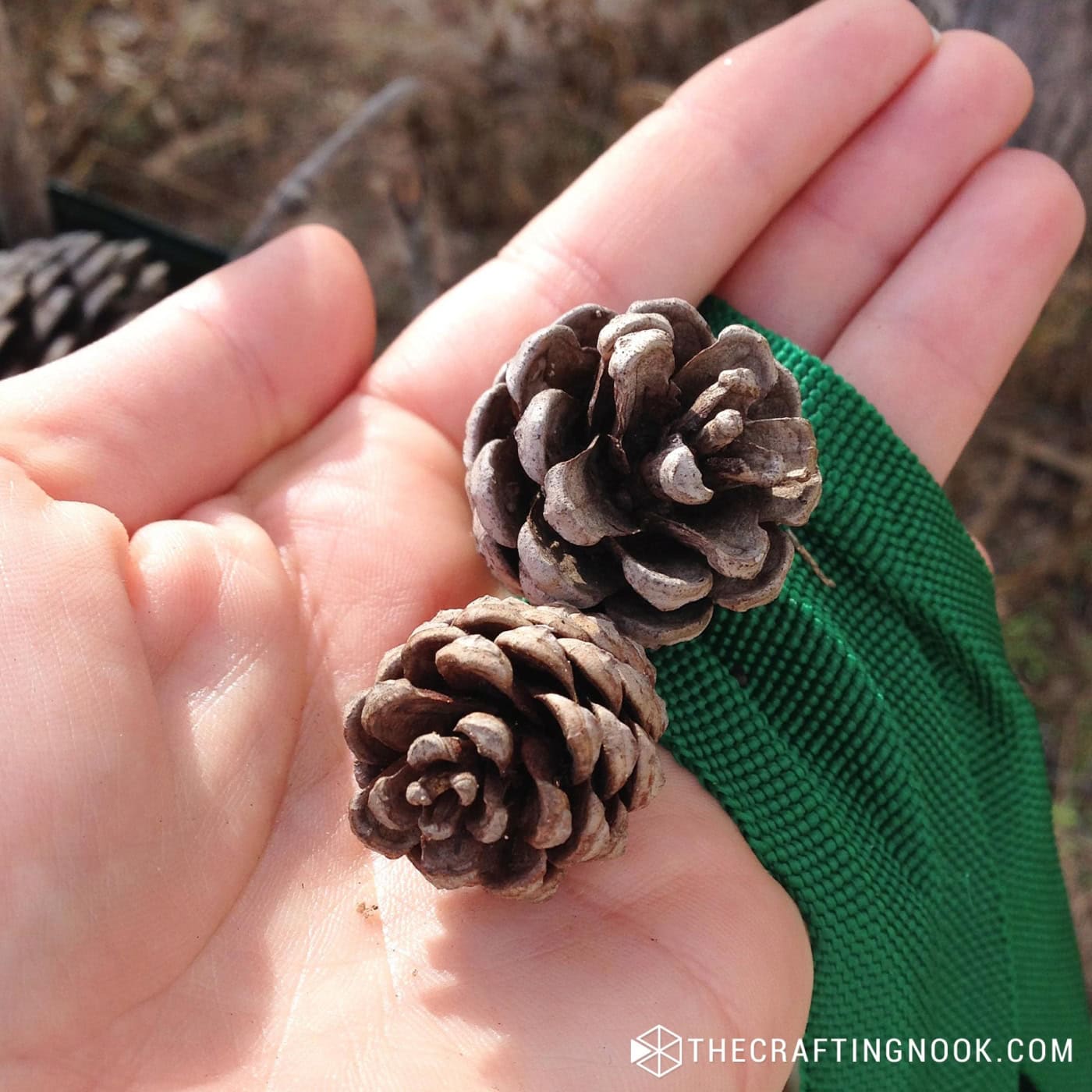
These small touches instantly create a seasonal feeling without spending anything.
4. Move things around
You don’t need to redecorate an entire room. Sometimes rearranging is enough.
Take everything off one shelf and put back only five pieces. Group items by color. Move a plant closer to natural light. Switch a lamp from one table to another.
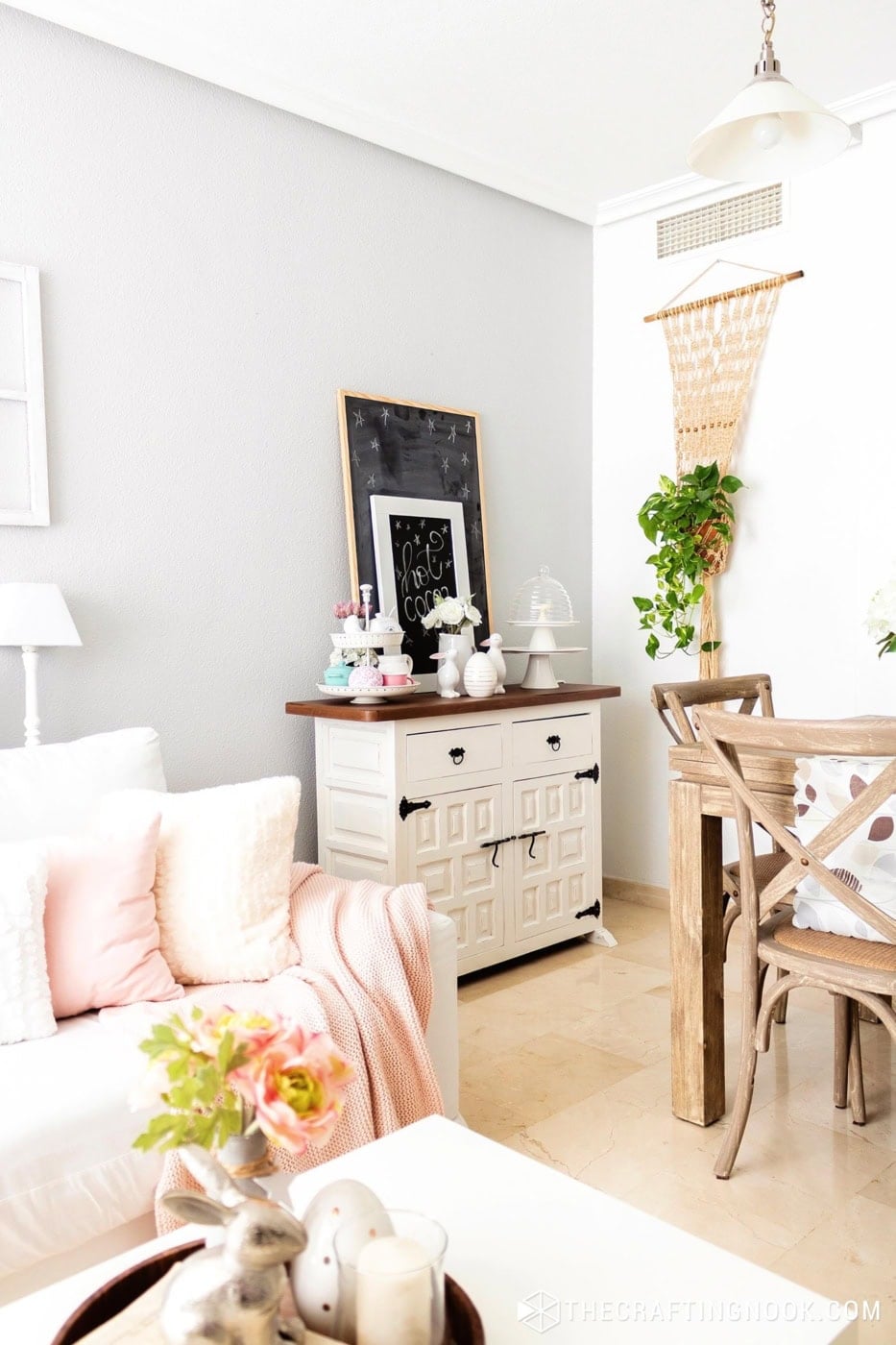
Sometimes removing a few things refreshes a space more than adding something new.
5. Switch up the scents in your home
Scent changes the atmosphere of a home faster than almost anything else.
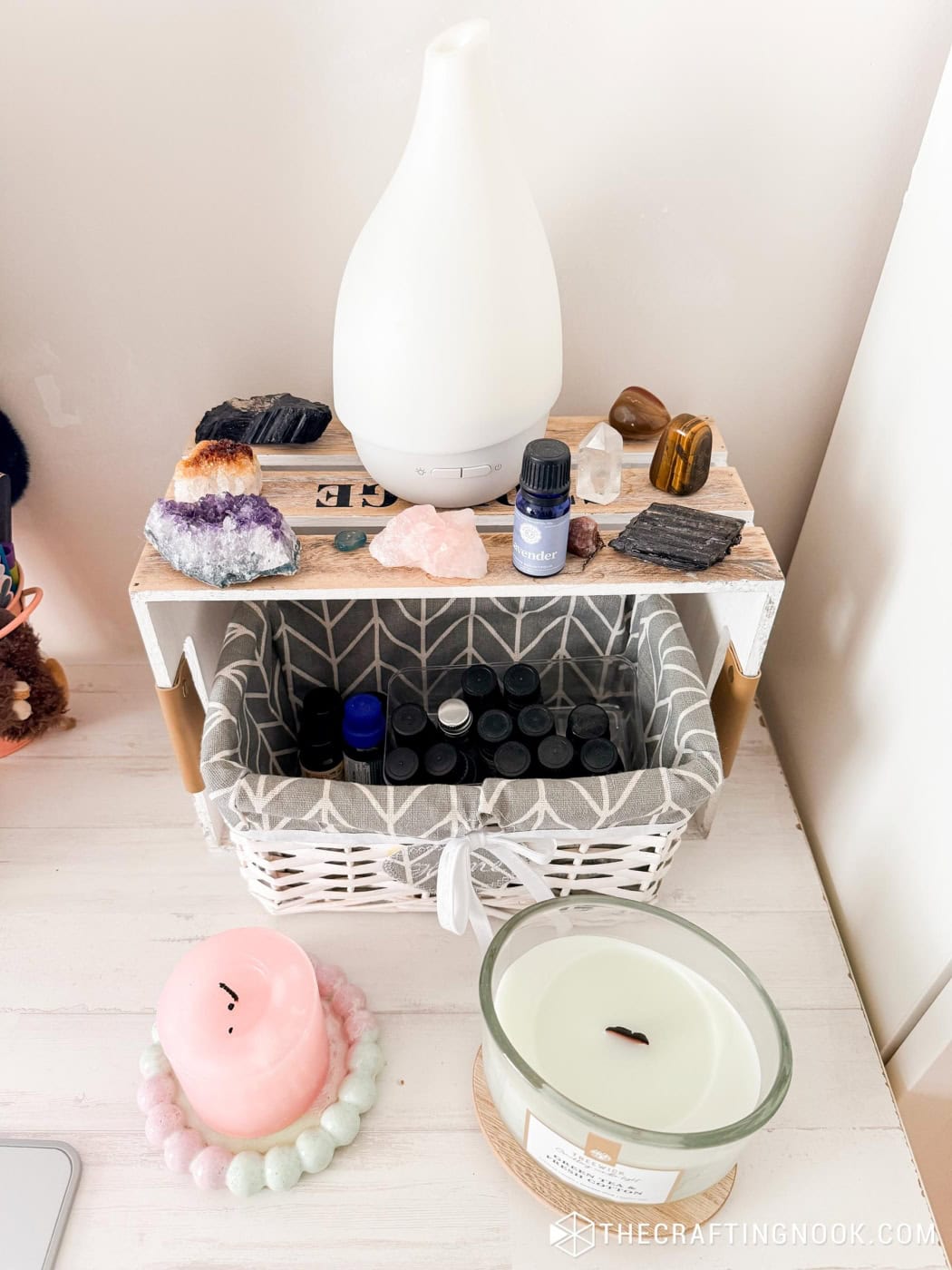
You can use candles, diffusers, wax melts, or keep it even simpler. Simmer orange peels and cinnamon sticks in fall. Use citrus or lavender in spring. Pine or clove works beautifully in winter.
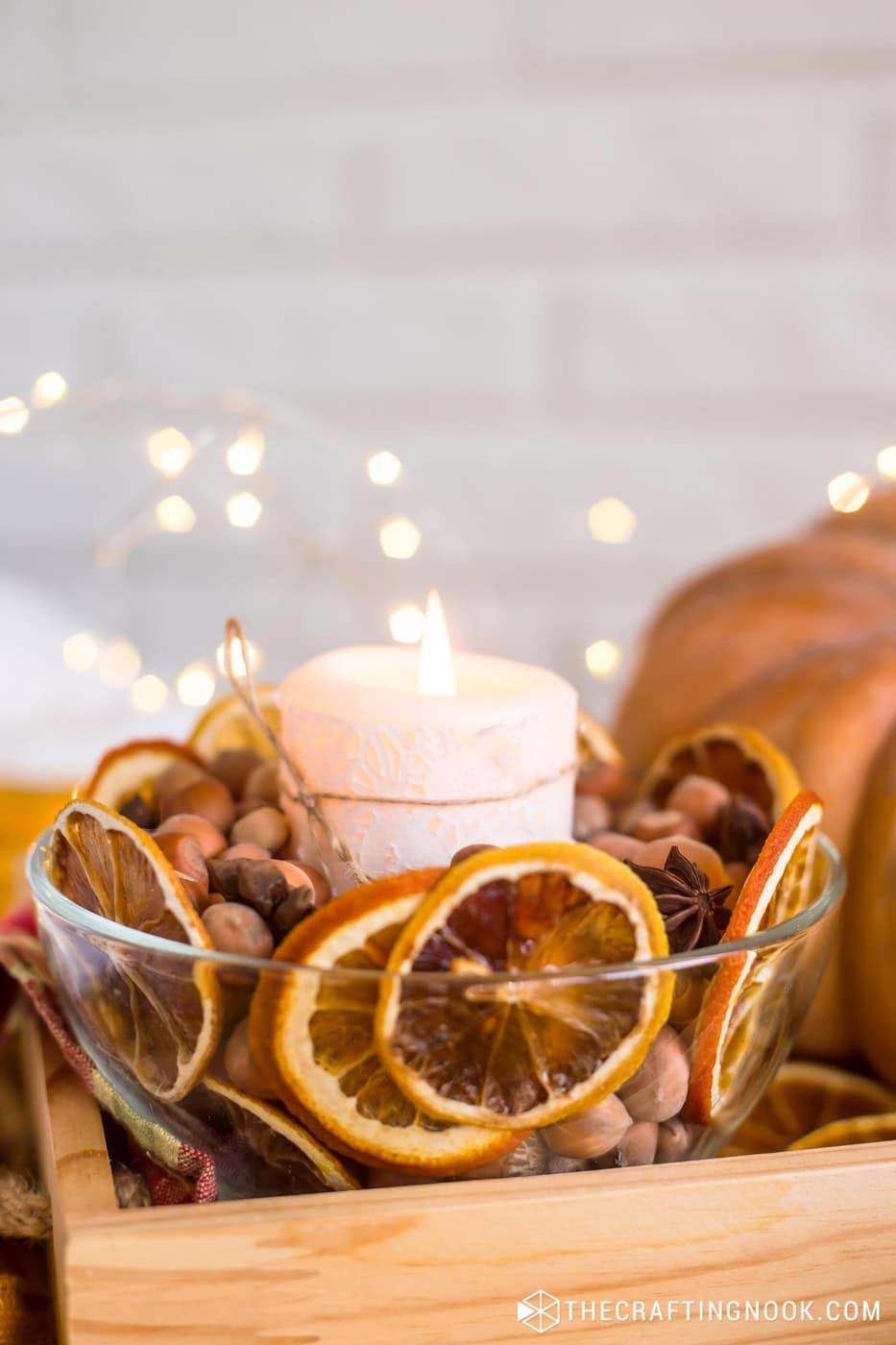
A seasonal scent makes your home feel intentional and cozy, even if nothing visually changed.
6. Play with seasonal colors using what you have
You don’t need to buy new decor to create a seasonal color palette.
Look around your home and gather items in the colors you want to highlight. Books, ribbons, framed art, baskets, leftover fabric, handmade crafts.
Pastels for spring. Bright tones for summer. Warm colors for fall. Whites and soft blues for winter.
When you let color guide your styling instead of trends, your home feels more personal and less like a showroom. And that’s what makes it cozy.
7. Bring out your handmade pieces
If you’ve been crafting for years, this is your moment.
Wreaths, pillow covers, ornaments, wooden signs, seasonal projects you’ve made in the past. Let them shine again.
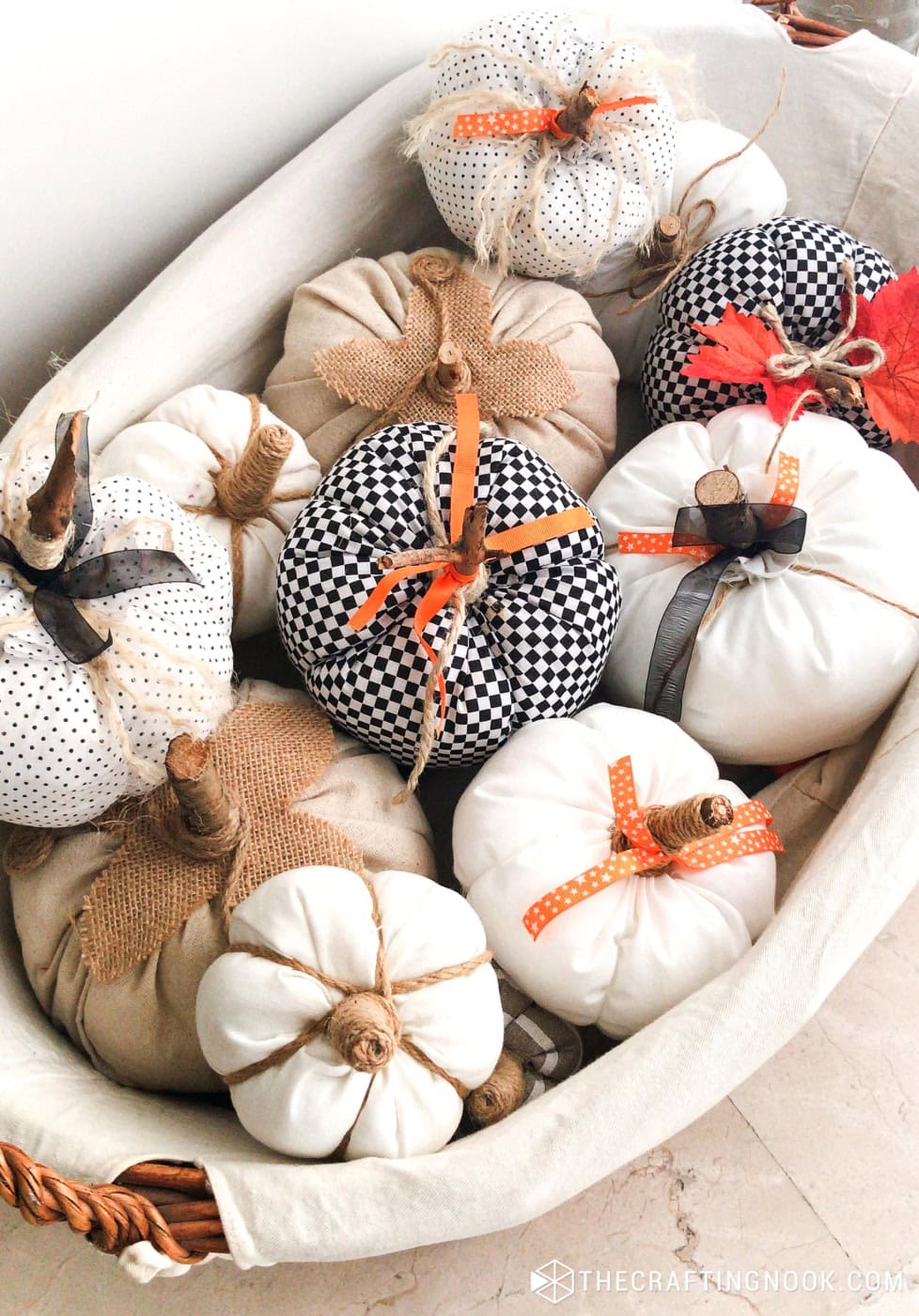
Handmade pieces add warmth and personality that store-bought decor can’t replicate. And if something feels outdated, you can refresh it with a new ribbon, a small paint touch-up, or a simple trim.
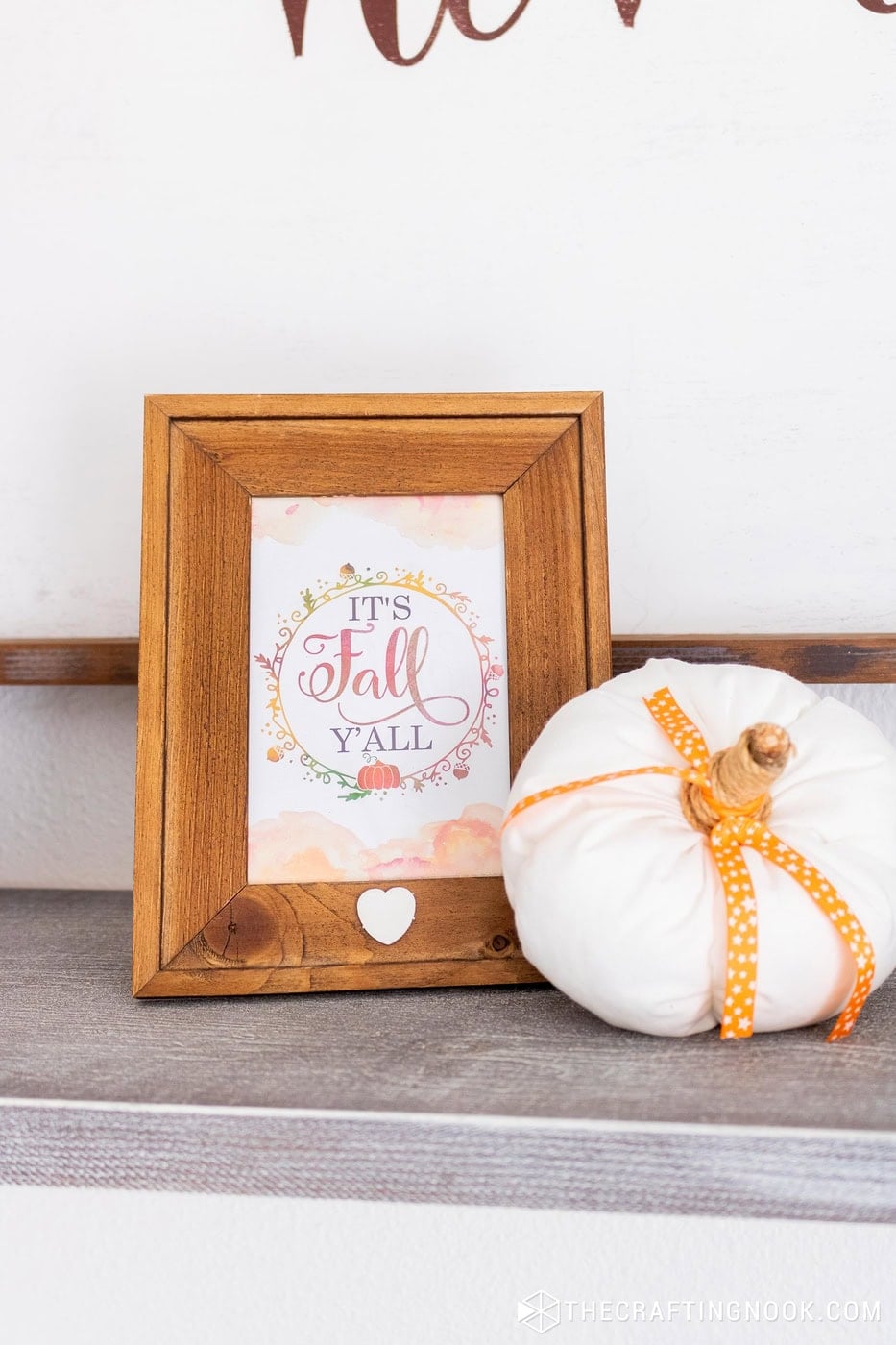
You already created beautiful things. Use them.
8. Keep a small seasonal capsule
If you like things simple, create a small seasonal capsule for each time of year. It can be as small as a shoebox with just a few favorite pieces.
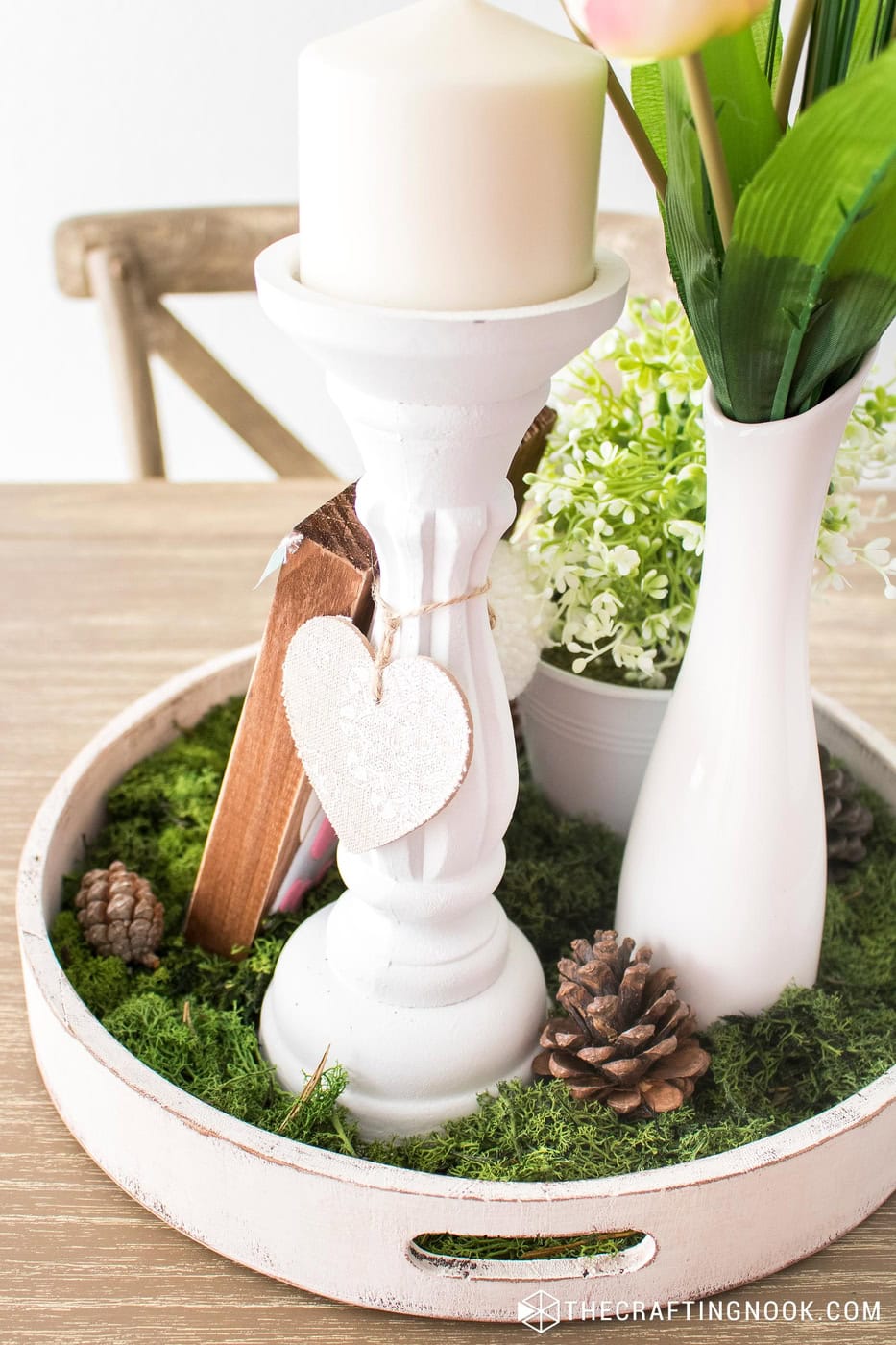
When the season changes, rotate only those items.
Keeping it small forces you to choose what you truly love. And when everything earns its place, decorating feels lighter and more enjoyable instead of overwhelming.
My Final Ideas
Refreshing your home doesn’t require a shopping trip, it doesn’t require new trends, and it definitely doesn’t require more clutter.
It’s about small, thoughtful changes. Moving things around. Playing with texture. Bringing in nature. Letting your handmade pieces tell a story again.
Seasonal decorating can be simple, cozy, and completely personal.
Sometimes all it takes is looking at what you already have with fresh eyes.
Frequently Asked Questions
There’s no strict schedule. Some people switch things every three months. Others make small changes whenever they feel like their home needs a lift. Follow your rhythm.
You don’t need a big stash. Move furniture. Rearrange shelves. Use natural elements. Swap pillow covers. Even one or two small changes can shift the mood of a room.
Choose one or two focal points per room and let the rest breathe. Negative space makes seasonal touches stand out more.
Yes. Seasonal decorating is about atmosphere, not skill. Use items you already love, mix textures, play with color, and move things around. Crafting is a bonus, not a requirement.
You don’t have to follow typical palettes. Choose colors you love and make them work for the season. Your home should reflect you, not a rulebook.
Placement is everything. Use items in different rooms, pair them with different colors, or style them in a new way. One vase can feel completely new depending on what surrounds it.
Start small. Entryways, coffee tables, shelves, and dining tables are quick to refresh and instantly change the feel of a room.
Keep items grouped by season in small labeled boxes. Only store what you truly enjoy using. A simple system makes decorating easier and more fun.
More Decor Projects To Try
Like this Seasonal Home Update guide? You might definitely love these other Decor project ideas too:
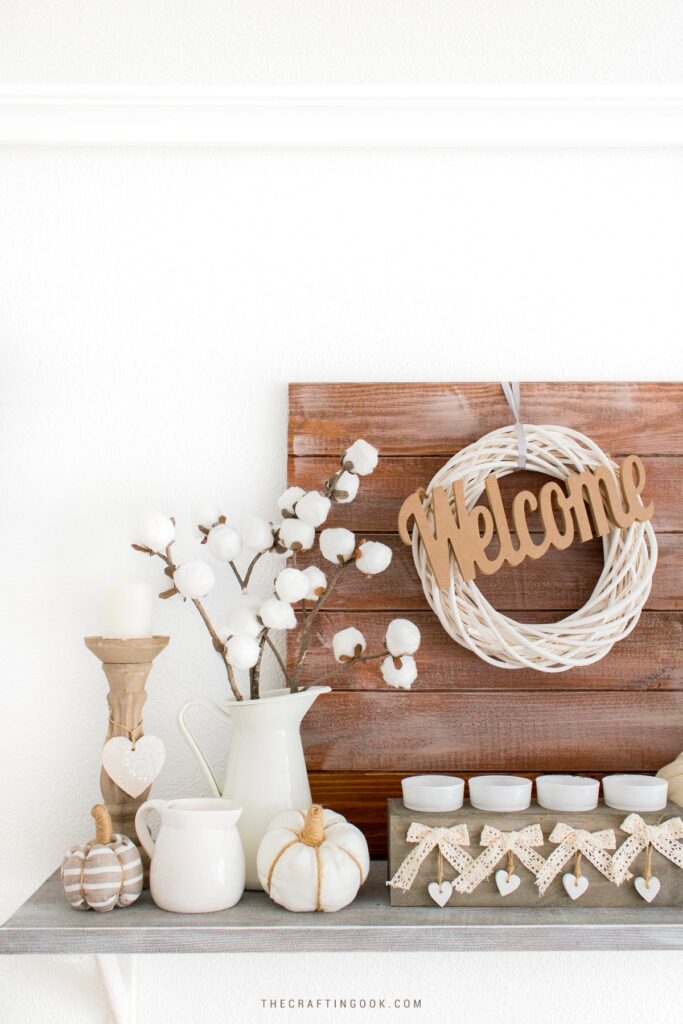
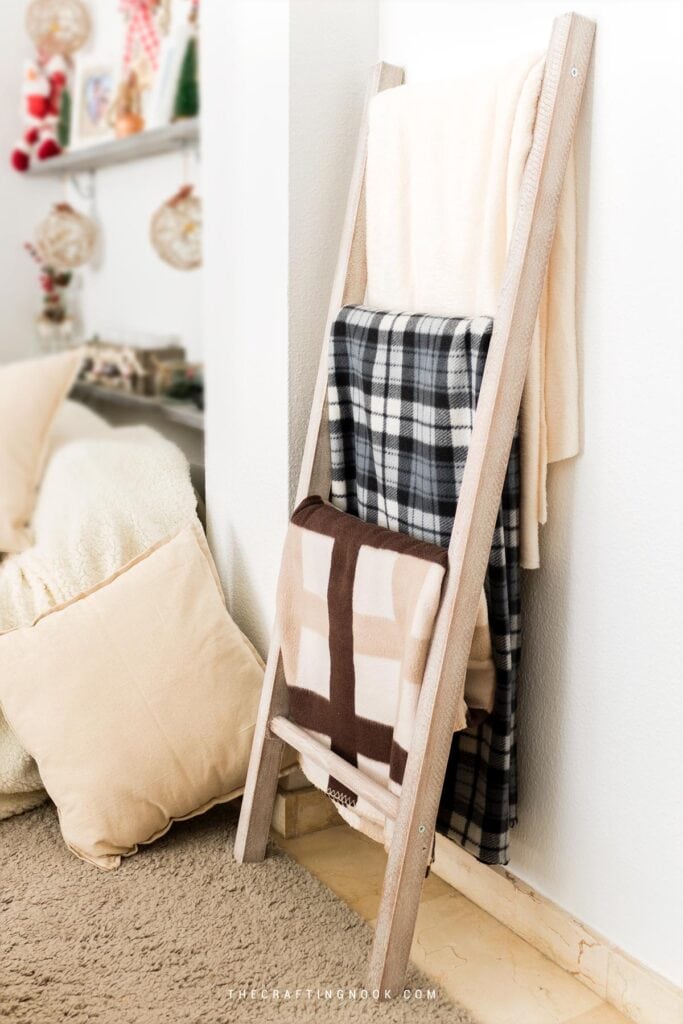
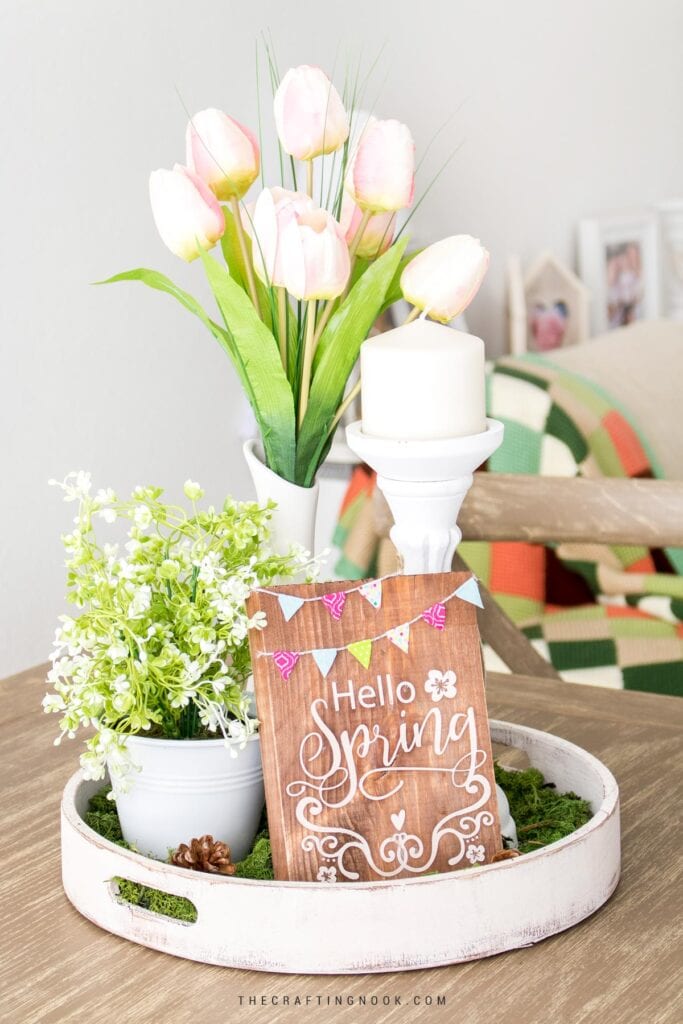
Share and PIN ME!!!
Til’ next time…

FREE WORKBOOK
Keeping your Sweet Home Organized
Learn how to create intentional habits and simple routines to Keep Your Home Organized. Plus freebies, printables, exclusive content, and tips.
Disclaimer: By clicking on the “Yes” button above you are giving me your consent to collect and use your information according to the law and My Policy Privacy. Zero Spam I promise!